✨ We’ve rebranded! AIRA is now Amantra ✨

From Hours to Minutes: Automating SKU Entry with AI

In the retail ecosystem, creating SKUs might seem like a small administrative task, but it has a massive operational impact.


The SKU (Stock Keeping Unit) is the digital DNA of every product, the key that connects it across ERP systems, inventory tracking, point-of-sale terminals, and online marketplaces.


Yet, for many retailers, SKU entry is still slow, manual, and error-prone, a process buried under spreadsheets, supplier emails, and inconsistent formats.


The result? Catalog bottlenecks, product launch delays, and costly inventory mismatches.

AI, specifically Large Language Models and machine learning, has changed the game, making SKU creation faster, more accurate, and infinitely scalable.


The Problem with Manual SKU Entry

Manual SKU management creates a ripple effect of inefficiencies:


  1. Human Error
    Typos, missing fields, duplicate codes, or incorrect categorization disrupt sales and reporting.
  2. Time-Consuming
    Large seasonal product drops require days (or weeks) to process before they’re available for sale.
  3. Inconsistent Data
    Without standardization, product descriptions, categories, and naming conventions vary between platforms, hurting SEO, searchability, and brand consistency.
  4. Operational Fragmentation
    Data must be manually entered into ERP, POS, and e-commerce systems, often duplicating effort across departments.


How AI and LLMs Transform SKU Creation


1. Intelligent Data Extraction


AI can read any format, PDF catalogs, supplier Excel sheets, CSV files, or even product images.


It automatically extracts attributes like:

    • Product name & variant details
    • Dimensions, weight, and material
    • Color, style, and size
    • Manufacturer details and GTIN/UPC/EAN codes
    • Pricing and currency


2. Attribute Mapping and Standardization


AI maps raw attributes to the retailer’s predefined SKU templates, enforcing:

    • Consistent naming conventions (e.g., “T-Shirt, Cotton, Blue, M”)
    • Standardized units of measurement
    • Unified category hierarchy


3. AI-Powered SKU Code Generation


Rules-based or AI-generated codes ensure:

    • No duplicates across ERP and POS
    • Format compliance (e.g., prefix for category, numeric sequencing)
    • Easy tracking and reporting


4. Image Recognition for Missing Data


If certain attributes aren’t provided, AI uses computer vision to infer them from product photos, detecting color, material type, or even packaging style.


5. Cross-System Synchronization


Once generated, SKUs are automatically pushed to:

    • ERP systems
    • Warehouse Management Systems (WMS)
    • POS software
    • Online marketplaces and e-commerce platforms


Benefits Beyond Speed

AI SKU automation is not just about working faster; it’s about doing it better:


  • Accuracy – Eliminates common human mistakes in SKU entry.
  • Scalability – Handle 10 SKUs or 10,000 SKUs with no added labor cost.
  • SEO Optimization – Consistent product naming improves search visibility.
  • Faster Time-to-Market – Get products live on shelves and online faster.
  • Operational Harmony – Data stays consistent across all channels, reducing reconciliation work later.


Integration with Existing Retail Systems


Modern AI SKU tools can integrate directly with:

  • SAP, Oracle, or Microsoft Dynamics ERP
  • Shopify, Magento, BigCommerce
  • Square, Lightspeed, or Vend POS systems
  • Amazon, Walmart, and other marketplaces

APIs and middleware connectors allow seamless plug-and-play deployment without replacing core infrastructure.


Future Trends in AI SKU Management


Looking ahead, SKU automation will continue to evolve:

  • Self-Updating Catalogs – AI will detect product changes from supplier feeds and update SKUs instantly.
  • Voice-Assisted SKU Entry – Product managers will be able to create SKUs via natural language commands.
  • Predictive SKU Grouping – AI will anticipate related product bundles and suggest SKU families automatically.


Conclusion


Manual SKU entry is a bottleneck that drains resources and slows revenue generation.
By leveraging AI and LLM-powered automation, retailers can turn SKU creation from a slow clerical task into a lightning-fast, accurate, and standardized process, freeing teams to focus on strategy, not data entry.

Retail Inventory Exception Handling with AI: From Chaos to Control

In the fast-moving retail world, inventory accuracy is non-negotiable. Your stock data drives replenishment decisions, customer satisfaction, and sales performance. Yet, even with advanced ERP and WMS systems, inventory exceptions and mismatches between recorded and actual stock are inevitable.

Traditionally, these exceptions have been reactive challenges. By the time a problem is spotted through a customer complaint, a stock audit, or a supplier dispute, the financial and operational damage is already done. AI changes that.


The Hidden Cost of Inventory Exceptions

Inventory discrepancies lead to:

  • Lost Sales – Products marked “in stock” but missing from shelves result in disappointed customers.
  • Overstocking – Inaccurate counts can trigger unnecessary replenishment orders.
  • Increased Waste – Overstock leads to markdowns, spoilage, or obsolescence.
  • Operational Disruptions – Teams waste hours reconciling records instead of focusing on growth.
  • Supplier Conflicts – Delivery mismatches strain vendor relationships and delay payments.

Even small percentage errors compound across thousands of SKUs, quietly eroding profit margins.


Traditional Exception Handling: Slow and Manual


A typical pre-AI workflow involves:


  1. Detection – Exception identified via cycle counts, customer reports, or supplier communication.
  2. Investigation – Staff manually check ERP, WMS, POS, and delivery records.
  3. Root Cause Analysis – Attempt to determine the source: delivery error, theft, or data entry mistake.
  4. Correction – Adjust system records and reconcile with physical counts.

This process is slow, reactive, and prone to recurring issues.


AI-Driven Exception Handling


AI and Large Language Models (LLMs) enable a proactive approach that detects, explains, and resolves exceptions in near real time.


How It Works:


1. Data Integration


AI continuously ingests data from multiple systems: ERP, WMS, POS, supplier feeds, and IoT devices such as shelf sensors or RFID readers.


2. Anomaly Detection

Machine learning algorithms flag mismatches instantly, such as:

    • Negative stock levels
    • Variances beyond tolerance limits
    • Data inconsistencies between ERP and WMS
    • Suspicious patterns suggesting shrinkage


3. Contextual Understanding with LLMs

LLMs analyze the issue and provide a clear, plain-language explanation


4. Automated or Guided Resolution
    • Automatic Fixes – For low-risk mismatches, AI updates records instantly.
    • Human-Approved Actions – Complex discrepancies are sent to staff with recommended solutions.


5. Continuous Learning

The AI adapts over time, improving accuracy in detecting and diagnosing issues.


Benefits of AI Exception Handling

  • Faster Resolution – From days to minutes
  • Higher Inventory Accuracy – Reducing stock-outs and overstock situations
  • Improved Customer Satisfaction – Accurate availability data across channels
  • Lower Operational Costs – Less manual investigation and reconciliation work
  • Better Supplier Coordination – Faster, data-backed dispute resolution

AI for Omnichannel Order Reconciliation: Bringing Harmony to Retail Chaos

In today’s retail world, customers don’t shop in straight lines, they jump between apps, websites, stores, and social platforms. This creates a beautiful but chaotic sales landscape.

But behind that experience is a logistical nightmare: reconciling thousands of orders from multiple channels, matching them with payments, inventory, shipping, and returns all in real time.


Manual reconciliation? Impossible.
Traditional automation? Not enough.
AI and LLMs? Game-changing.


Why Omnichannel Reconciliation is So Complex

Every retail order generates a web of data:

  • Sales orders from marketplaces (Amazon, Flipkart), e-commerce sites, stores, mobile apps
  • Payment confirmations from gateways, BNPL providers, wallets, UPI, cards
  • Shipping and delivery status from 3PLs or in-house logistics
  • Inventory updates across multiple warehouses and channels
  • Customer returns or refunds from any touchpoint

Matching these threads into a single, accurate picture is like solving a Rubik’s cube every second.


Where Traditional Systems Fail

  • Batch-based reconciliation delays visibility
  • ERP rules are rigid and can’t handle new edge cases
  • Human errors cause costly mismatches
  • Returns/refunds create gaps between financials and physical stock
  • Omnichannel promotions confuse attribution and allocations


Retailers end up with:

  • Lost revenue
  • Inventory discrepancies
  • Unreliable financial reports
  • Angry customers


Enter AI + LLMs: Turning Data Chaos into Clarity

AI systems, especially those powered by Large Language Model, can ingest semi-structured and unstructured data from invoices, emails, spreadsheets, and system logs then reason across them.

AI Agents Can:

    • Match orders with payments and shipments automatically
    • Detect anomalies (e.g., payment received, no order found)
    • Reconcile promotional campaigns across sales and returns
    • Resolve partial returns and refunds without manual tagging
    • Update ERP and WMS systems in real time
    • Learn new reconciliation rules dynamically


Amantra’s Edge: Autonomous Reconciliation Agents

At AMANTRA, we don’t just automate steps we deploy Agentic AI that thinks like a human operator, reasons like an analyst, and acts instantly.


Our AI agents can:

  • Understand documents in different formats
  • Cross-check across ERP, OMS, WMS, and finance platforms
  • Learn new reconciliation patterns from past exceptions
  • Operate 24/7 with full audit trails

No rule-based templates. No missed matches. Just intelligent, self-healing reconciliation.


The Future Is Real-Time, Omnichannel, and Autonomous

As retail moves toward hyper-personalization and unified commerce, the backend must keep up. With AI and LLMs, order reconciliation becomes:

  • Proactive
  • Scalable
  • Resilient
  • Error-free

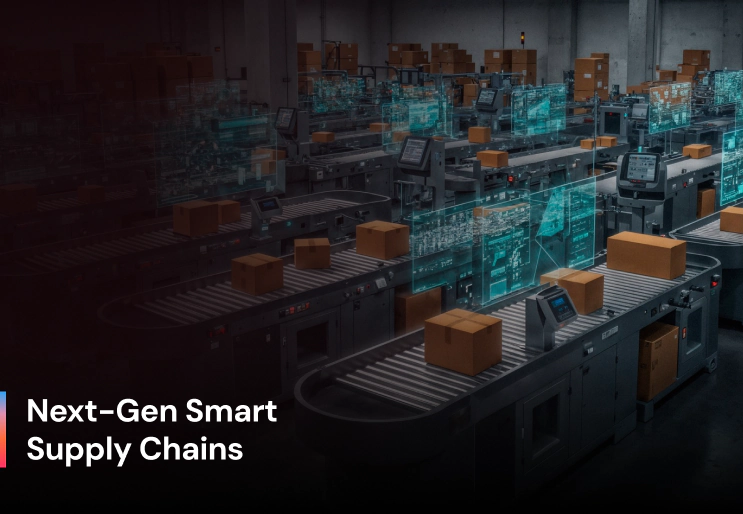
Next-Gen Retail Supply Chains Built for Speed and Smarts

In today’s hyper-competitive retail landscape, speed is currency and smart is survival. Supply chains that were designed for yesterday’s pace are collapsing under the pressure of modern expectations: same-day deliveries, dynamic pricing, omnichannel inventory, and real-time issue resolution.

To stay ahead, retailers are reimagining their supply chains not with incremental tweaks, but with intelligent, AI-first transformation.

Enter the Next-Gen Retail Supply Chain fueled by Large Language Models (LLMs), autonomous agents, real-time analytics, and deep ERP integration.

The Problem with Traditional Supply Chains


Let’s face it: legacy systems weren’t built for the chaos of modern retail. They’re rigid, reactive, and siloed.

  • Procurement teams juggle emails, Excel sheets, and disconnected ERPs
  • Supply chain decisions are based on outdated data
  • Inventory mismatches lead to stockouts or dead stock
  • Exception handling is slow and often manual

This isn’t just inefficient, it’s expensive and risky.

What Makes a Retail Supply Chain “Next-Gen”?


1. Real-Time Everything

No more batch updates. Next-gen systems provide real-time visibility into inventory, shipments, vendor status, and more.

2. LLM-Powered Understanding

From PDFs and invoices to emails and WhatsApp messages, LLMs extract meaning and automate action from every unstructured data source.

3. Agentic AI That Acts Autonomously

AI agents perform end-to-end tasks like:

  • Matching POs with delivery notes
  • Raising disputes or reorders
  • Updating inventory across ERP, WMS, and TMS systems
  • Sending alerts to relevant teams

These agents aren’t just bots. They reason, learn, and adapt.

4. Predictive and Preventive Intelligence

Know before it happens.


Forecast delays, detect demand surges, identify non-performing vendors—before they become costly problems.

How Retailers Are Using AI + LLMs in the Supply Chain

Here are real-world use cases we’re seeing at Amantra:

Automated Order Reconciliation
  • LLMs read POs, invoices, GRNs
  • Match line items, flag discrepancies
  • Update ERP and notify stakeholders
    Result: 10x faster cycle time with 90% fewer errors
Smart Demand & Inventory Planning
  • Agents analyze POS trends, social data, weather, and historical patterns
  • Suggest reorder timelines and stock redistribution
    Result: Balanced inventory, reduced deadstock
Supplier Document Automation
  • LLMs process onboarding forms, tax documents, and contracts
  • Extract key data, auto-upload to systems, flag incomplete entries
    Result: Supplier onboarding in hours, not weeks
AI-Driven Logistics Coordination
    • Predict route delays, automate rescheduling
    • Auto-alert customers, update dashboards
      Result: Higher fulfillment SLAs and better CX


The Rise of the Self-Improving Supply Chain

The real power? Self-learning.


These systems don’t just automate—they improve themselves over time.

  • AI agents learn from exceptions and human feedback
  • LLMs fine-tune understanding of new document formats
  • Performance dashboards feed optimization cycles

The more you use them, the smarter your supply chain becomes.

Amantra’s Approach to Agentic Supply Chains

At Amantra, we help retailers build supply chains that understand, decide, and act autonomously.

Our solutions use:

  • LLM-powered document AI
  • Multi-agent coordination
  • Pre-built ERP connectors
  • Real-time dashboards with human-in-the-loop options

We’re not just digitizing paperwork, we’re giving your supply chain a brain.


Final Thoughts

Retail supply chains are no longer just about moving goods they’re about moving fast, moving smart, and moving with purpose.

With the power of AI + LLMs, you can build a supply chain that thinks, learns, and scales just like your business.

How Retailers Can Automate Supplier Onboarding Documents with Generative AI

Supplier onboarding is a critical process in retail. Yet, for many organizations, it’s still a manual, time-consuming, and error-prone task. From collecting tax certificates and business licenses to signing contracts and uploading bank details, the sheer volume of supplier onboarding documents can overwhelm procurement and compliance teams.

Now, Generative AI, especially Large Language Models (LLMs) offers a smarter way to handle this complexity. Retailers are turning to AI to automate document intake, verification, and integration, reducing delays and creating seamless supplier experiences.

Onboarding Bottlenecks in Retail Supply Chains

Every supplier must provide a variety of documents, including:

  • Business registration certificates
  • Tax identification numbers (GST, VAT, etc.)
  • Bank account and payment details
  • Signed contracts or service agreements
  • Compliance documents (MSDS, ESG policies, etc.)

Today, these documents are typically emailed, scanned, or uploaded manually, then checked by procurement or legal teams. This creates bottlenecks such as:

  • Long onboarding cycles
  • Human errors and missed validations
  • Poor supplier experience
  • Compliance risks and data silos

Automating Supplier Onboarding with Generative AI

Generative AI brings intelligent automation to supplier onboarding—especially in managing unstructured and semi-structured documents.

What generative AI enables:

  1. Smart Document Intake
    AI agents can receive emails or portal uploads and instantly classify and extract relevant data (e.g., GST number, bank IFSC code, expiration dates). 
  2. Form Auto-Fill and Generation
    LLMs can generate onboarding forms, pre-fill contracts based on supplier type, and even create dynamic questionnaires based on compliance requirements.
  3. Document Validation & Cross-Checks
    AI can validate supplier data against master records or external APIs (e.g., GST or PAN validation), flagging mismatches in real-time.
  4. Workflow Orchestration
    Trigger automated approval flows, legal review, finance checks, or procurement manager sign-off without manual coordination.
  5. Language & Format Flexibility
    Documents in different formats (PDF, Word, scanned images) or languages can be understood and processed with high accuracy.

The Amantra Advantage: Agentic AI for Supplier Lifecycle Automation

At Amantra, we go beyond passive automation. Our Agentic AI solutions use autonomous agents that:

  • Communicate with suppliers
  • Receive and process onboarding documents
  • Validate data and flag exceptions
  • Push clean data into ERP or supplier management systems
  • Learn and improve from every interaction

This enables a zero-touch onboarding experience while maintaining full control and compliance.

Final Thoughts: Turn Supplier Onboarding into a Strategic Advantage

In today’s retail environment, supply chain agility depends on how quickly and accurately new vendors can be onboarded. Generative AI removes the friction from document-heavy onboarding processes, allowing procurement teams to focus on relationship-building, not paperwork.

Ready to automate your supplier onboarding process?

Let Amantra’s Agentic AI solutions show you how to eliminate onboarding delays, improve accuracy, and scale supplier operations intelligently.


Real-Time Insights from Retail Procurement Documents Using LLMs

Retail procurement involves a high volume of documentation purchase orders, invoices, vendor contracts, delivery notes, and payment confirmations. These documents hold critical information, but they’re often unstructured, scattered, and processed manually.

This leads to delays in decision-making, bottlenecks in supplier communication, and reduced visibility into procurement performance.

Now, with the rise of Large Language Models, retailers can extract real-time insights from procurement documents, automating workflows, reducing errors, and enabling smarter procurement decisions.


The Challenge: Procurement Data Locked in Documents

Retailers deal with procurement documents in various formats:

  • Scanned PDFs from suppliers
  • Handwritten delivery receipts
  • Excel-based purchase orders
  • Long email threads with order changes
  • Vendor agreements in Word or PDF

Traditionally, this data is manually reviewed and entered into ERP or procurement systems. This process is:

  • Time-consuming
  • Prone to human error
  • Lacking real-time visibility
  • Difficult to scale


The Solution: LLMs for Real-Time Procurement Intelligence

Large Language Models are capable of understanding, interpreting, and extracting data from unstructured documents across multiple formats and languages.

Smart Data Extraction: LLMs can read supplier invoices or POs and extract key fields, vendor name, SKUs, quantities, pricing, and payment terms with contextual understanding.

Cross-Document Matching: They match information across multiple documents (e.g., invoice vs. purchase order) and flag discrepancies in real-time.

Real-Time ERP Updates: Extracted data can be automatically structured and pushed into ERP or procurement platforms for immediate action.

Trend Analysis & Forecasting: LLMs analyze recurring patterns across procurement documents, such as rising costs or frequent delivery delays, to support better planning and negotiation.

Email Parsing & Action Triggers: They can read supplier emails, detect intent (like order updates or delivery confirmations), and automatically trigger updates or alerts.

Why Real-Time Matters in Retail Procurement

  1. Speed: Procurement teams get instant visibility into supplier activities and document status.

  2. Accuracy: Reduces manual data entry and errors across the procurement cycle.

  3. Transparency: Enhances auditability and compliance tracking.

  4. Supplier Relationship Management: Proactive insights help resolve issues faster and improve vendor communication.


Amantra’s Approach: Agentic AI for Procurement Intelligence

At Amantra, we use LLMs not just for extraction, but for action. Our Agentic AI agents act like procurement assistants that:

  • Process procurement documents
  • Perform validations and exception handling
  • Update ERP and notify stakeholders
  • Learn from feedback and continuously improve

The result? Procurement becomes faster, smarter, and more autonomous.

Final Thoughts: From Documents to Decisions in Real-Time

Retailers no longer need to wait days or weeks for procurement data to be entered and analyzed. With LLMs, every document becomes a live source of real-time intelligence, enabling faster decisions, stronger vendor control, and better cost management.

Want to transform your procurement operations with LLMs and Agentic AI?


Talk to AIRA and see how real-time document intelligence can give your retail business the competitive edge it needs.

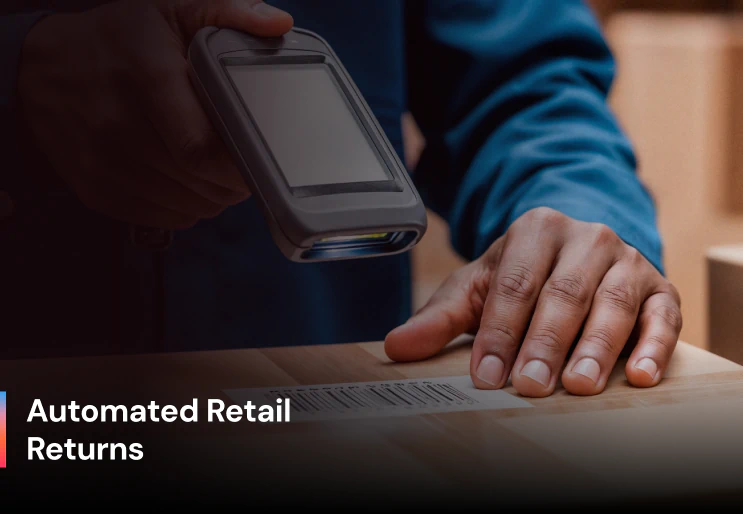
Automating Returns Management in Retail: Turning a Pain Point into a Competitive Edge

Returns are an unavoidable part of retail, especially in the era of e-commerce, omnichannel shopping, and customer-centric policies. But while convenient return processes can boost customer loyalty, they also introduce logistical, financial, and operational challenges. Manual returns handling often leads to inventory mismatches, delayed refunds, unhappy customers, and lost revenue.

With the power of intelligent automation and Agentic AI, retailers can transform returns management from a reactive cost center into a proactive, streamlined, and insight-driven function.


Why Returns Management Needs a Rethink

Returns management is more than just handling items that come back—it includes:

  • Return initiation across multiple channels
  • Logistics coordination with warehouses and couriers
  • Condition assessment and restocking
  • Refund or exchange processing
  • Inventory and financial system updates

Traditional approaches to managing this lifecycle are disjointed and labor-intensive. For retailers handling thousands of SKUs and orders daily, this can cause backlogs, data errors, and customer dissatisfaction.


Enter Automation: A Game-Changer for Retail Returns


By leveraging AIRA’s Agentic Automation Platform, retailers can create autonomous workflows that intelligently manage returns at scale. Here’s how:

1. Automated Return Initiation and Validation

Customers can initiate returns via self-service portals or AI-powered chatbots. AIRA’s conversational AI agents validate return eligibility in real-time based on product condition, return windows, and purchase history.


2. Seamless Workflow Orchestration

AIRA automates the routing of return requests to the right warehouse or department. It also instantly updates order management and ERP systems, ensuring real-time inventory accuracy and faster turnaround.


3. Smart Document Processing

With Intelligent Document Processing (IDP), return labels, receipts, and item condition reports are automatically extracted, verified, and processed without human intervention.


4. Exception Handling with Agentic AI

Agentic AI enables autonomous agents to detect anomalies (e.g., fraud attempts, mismatched items, repeat returners) and escalate or resolve them independently, reducing manual review efforts.


5. Refund and Exchange Automation

AIRA triggers refunds or exchanges once validation is complete, without delay, enhancing customer trust and satisfaction.


Why AIRA for Retail Returns Automation?

At AIRA, we go beyond basic automation. Our agentic approach enables self-driven bots that collaborate with systems, teams, and customers, making intelligent decisions and continuously learning. This allows retailers to:

  • Scale operations during peak seasons
  • Offer personalized return experiences
  • Reduce return abuse with AI-led fraud detection
  • Achieve real-time integration across ERP, WMS, and CRM systems


Future-Proofing Retail with Autonomous Returns Management

In a competitive retail landscape, how you manage returns can define how customers perceive your brand. By embracing automation and Agentic AI, retailers can make returns management faster, smarter, and frictionless, turning a traditional burden into a strategic differentiator.

Let AIRA help you automate the full returns lifecycle so you can focus on what matters most: serving your customers better.