✨ We’ve rebranded! AIRA is now Amantra ✨

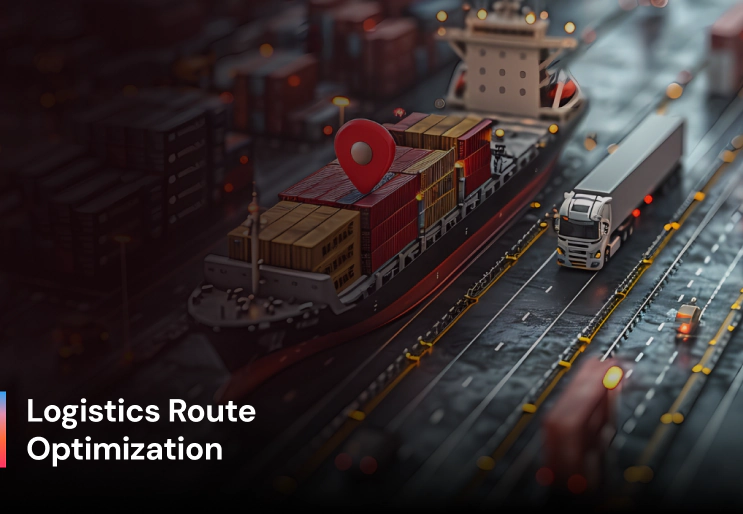
Reducing Logistics Costs with AI-Powered Route Optimization

In today’s competitive landscape, logistics is no longer just a back-office function it’s a strategic differentiator. For companies in retail, e-commerce, FMCG, and manufacturing, logistics costs can account for 10–20% of total revenue, making efficiency a critical priority.

One of the biggest contributors to logistics spend is route planning and fleet management. Inefficient routing leads to fuel wastage, higher labor costs, delayed deliveries, and poor customer satisfaction. Traditional route planning methods based on static maps, spreadsheets, or human experience cannot keep up with real-time complexities like traffic patterns, weather conditions, and last-minute order changes.

This is where AI-powered route optimization comes into play. By leveraging artificial intelligence, machine learning, and real-time data, companies can dynamically plan, optimize, and adjust delivery routes to cut costs, save time, and enhance customer experiences.


The Challenge with Traditional Route Planning

  • Static planning: Routes are often fixed, failing to adapt to live disruptions.

  • Lack of visibility: Logistics managers don’t always have real-time insights into fleet movement or delays.

  • High operational costs: Inefficient routing leads to excess fuel consumption and overtime labor costs.

  • Poor customer experience: Late deliveries damage trust, especially in industries like e-commerce or perishables.

The result is higher expenses and lower efficiency a direct hit to profitability.

How AI-Powered Route Optimization Works

AI-powered systems combine predictive analytics, real-time monitoring, and autonomous decision-making to generate the most cost-effective and efficient delivery plans.

  1. Real-Time Data Integration: AI systems ingest live data such as traffic conditions, weather, fuel prices, and vehicle health to continuously update routing decisions.
  1. Dynamic Route Optimization: Instead of static paths, AI recalculates routes in real time to avoid delays, minimize travel distance, and reduce fuel consumption.
  1. Intelligent Demand Clustering: Machine learning algorithms group delivery locations based on geography, demand density, and delivery windows to maximize fleet efficiency.
  1. Multi-Constraint Planning: AI considers multiple variables driver availability, vehicle capacity, delivery time windows, and regulatory restrictions ensuring compliance and efficiency.
  1. Predictive Maintenance & Fleet Utilization: AI not only optimizes routes but also recommends the best vehicle assignments and predicts maintenance needs to minimize downtime.


Business Impact of AI in Logistics

Companies adopting AI-powered route optimization report tangible benefits:

  • Fuel Savings: Up to 15–20% reduction in fuel costs through optimized mileage.

  • Lower Labor Costs: Efficient scheduling reduces overtime and idle driver hours.

  • Faster Deliveries: Improved ETAs enhance customer satisfaction and loyalty.

  • Higher Fleet Utilization: Smarter allocation of vehicles reduces the need for excess fleet size.

  • Sustainability Gains: Lower fuel usage means fewer carbon emissions, aligning with ESG goals.

Real-World Example

A global e-commerce company integrated AI-powered route optimization into its logistics network across Asia. Within six months, the company achieved:

  • 18% reduction in fuel costs

  • 25% improvement in on-time deliveries

  • 30% reduction in vehicle idle time

This not only improved operational efficiency but also enhanced customer loyalty in a highly competitive market.

The Future of Logistics with AI

AI-powered logistics is evolving beyond route optimization into autonomous decision-making ecosystems. Future capabilities will include:

  • Self-learning algorithms that continuously refine routes based on outcomes.

  • Integration with autonomous vehicles and drones, redefining last-mile delivery.

  • Collaborative logistics where AI platforms optimize across multiple suppliers and carriers to minimize costs collectively.

Conclusion

Logistics costs no longer need to be a burden on profitability. By adopting AI-powered route optimization, businesses can significantly reduce fuel and labor costs, increase delivery reliability, and achieve sustainability goals all while delighting customers.

At Amantra, we help enterprises implement AI-driven logistics solutions that move beyond static planning to autonomous, real-time optimization. With Amantra’s intelligent systems, companies can transform logistics from a cost center into a competitive advantage.
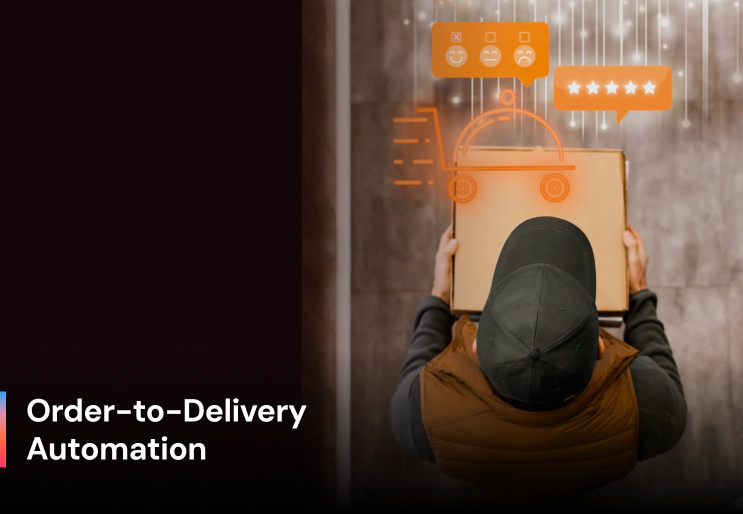
End-to-End Order-to-Delivery Automation with AI Agents

In today’s digital-first economy, customer expectations for speed, accuracy, and transparency have never been higher. Whether it’s a retailer processing thousands of daily transactions or a manufacturer fulfilling B2B orders, businesses are under constant pressure to deliver seamless order-to-delivery experiences. Yet, many organizations still rely on fragmented systems, manual interventions, and siloed workflows that slow down operations and increase costs.

This is where Agentic AI changes the game. By embedding autonomous AI agents across the order-to-delivery lifecycle, organizations can create intelligent, end-to-end automation that not only streamlines operations but also enhances customer satisfaction.

Complexity Across the Value Chain

The order-to-delivery process typically spans multiple touchpoints:

  • Order Capture: Receiving orders from e-commerce platforms, distributors, or enterprise systems. 
  • Order Validation: Checking customer data, credit limits, product availability, and pricing. 
  • Inventory & Fulfillment: Ensuring accurate stock allocation and warehouse coordination. 
  • Logistics & Shipping: Selecting carriers, tracking shipments, and generating documentation. 
  • Customer Updates & Support: Proactively notifying customers about order status and delivery timelines. 
  • Billing & Reconciliation: Generating invoices, processing payments, and reconciling records. 

When managed manually or through legacy systems, these steps often lead to delays, errors, and limited visibility eroding both efficiency and trust.


Enter AI Agents: From Task Automation to Intelligent Orchestration

Unlike traditional automation, which is rule-based and siloed, AI agents bring contextual intelligence, adaptability, and autonomy. They don’t just automate tasks they understand, decide, and act across complex workflows.

Here’s how AI agents transform order-to-delivery:

  1. Smart Order Capture & Validation 
    • AI agents ingest orders from multiple channels in real time. 
    • They validate details against ERP/CRM records, ensuring compliance with pricing, credit, and inventory rules. 
    • Fraudulent or duplicate orders are flagged instantly. 
  2. Dynamic Inventory & Fulfillment Optimization 
    • Agents analyze stock levels across warehouses and suppliers. 
    • They allocate inventory based on demand, priority, and proximity reducing lead times and logistics costs. 
    • Predictive insights prevent stockouts and overstocking. 
  3. Logistics Orchestration with Real-Time Decisions 
    • AI agents select the most efficient carrier based on cost, location, and SLA commitments. 
    • They generate shipping documents, automate customs clearance (where applicable), and track shipments continuously. 
    • If delays occur, agents proactively reroute shipments or notify customers. 
  4. Customer Engagement & Transparency 
    • Through chatbots, notifications, and self-service portals, AI agents keep customers updated with real-time status. 
    • Intelligent escalation ensures support teams are alerted only when needed.

       
  5. Seamless Billing & Financial Reconciliation 
    • Agents automatically generate invoices once delivery milestones are achieved. 
    • Payments are reconciled against bank and ERP records with zero manual effort. 
    • Disputes or mismatches trigger automated workflows for resolution. 


Business Impact of AI-Driven Order-to-Delivery Automation

Organizations deploying end-to-end automation with AI agents experience:

  • Faster Order Cycles – From order receipt to delivery confirmation, processes run in hours, not days. 
  • Reduced Errors & Costs – Intelligent validation and reconciliation eliminate manual mistakes and revenue leakage. 
  • Improved Customer Experience – Real-time updates and faster deliveries build trust and loyalty. 
  • Scalable Operations – AI agents handle seasonal peaks and high-volume transactions without additional manpower. 
  • Enhanced Visibility & Control – Unified dashboards provide full transparency across the order-to-delivery chain. 


The Future: Autonomous Supply Chains

End-to-end order-to-delivery automation is just the beginning. As multi-agent systems mature, businesses will evolve toward fully autonomous supply chains—where procurement, production, fulfillment, and finance are seamlessly orchestrated by AI agents. This shift won’t just optimize processes; it will redefine competitive advantage in a hyper-connected economy.


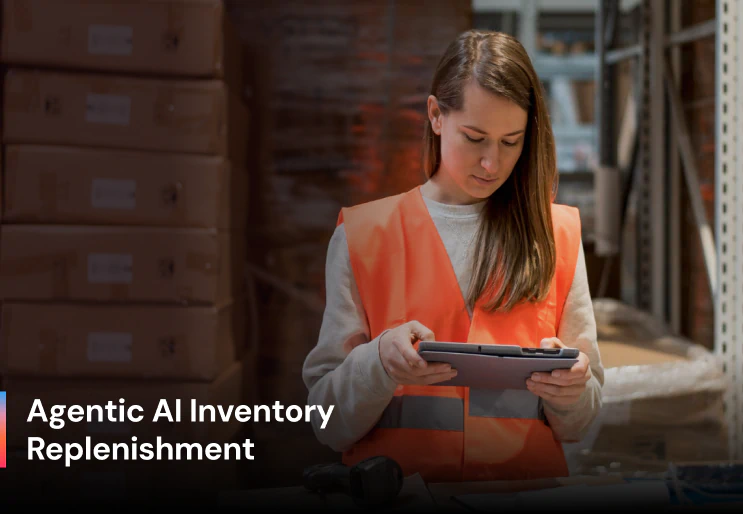
Real-Time Inventory Tracking and Replenishment via Agentic AI

In today’s fast-paced business environment, the speed at which organizations can sense, decide, and act on inventory needs often determines profitability and customer satisfaction. Traditional inventory management methods relying on periodic updates, manual monitoring, or static ERP rules struggle to keep up with dynamic market demands. 

Enter Amantra Agentic AI: autonomous, decision-making agents that transform inventory management into a real-time, self-correcting system.

Why Real-Time Inventory Tracking Matters

Inventory challenges are not new. Overstocking locks up capital, understocking leads to lost sales, and inaccurate data can ripple across the supply chain. For industries like retail, manufacturing, and logistics, these issues translate directly into higher operating costs and missed opportunities.

What’s different now is the urgency of real-time visibility. Customers expect instant product availability, suppliers are global and complex, and disruptions from supply chain delays to sudden demand spikes are more frequent. Businesses need systems that don’t just record inventory but actively manage it in real-time.

The Role of Agentic AI in Inventory Management

Unlike traditional automation, Agentic AI doesn’t just follow predefined rules it reasons, predicts, and acts autonomously. Think of it as having a team of digital operations managers continuously monitoring inventory flows, making decisions, and triggering actions.

Here’s how it works:

  1. Continuous Monitoring – AI agents integrate with POS systems, IoT-enabled shelves, ERP, and supplier databases to track stock levels in real time.

  2. Predictive Intelligence – Using historical trends, seasonal data, and external signals (such as weather or promotions), agents forecast demand fluctuations before they occur.

  3. Autonomous Replenishment – When stock drops below safe levels, agents automatically trigger reorders, optimize order quantities, and even negotiate with suppliers through integrated workflows.

  4. Cross-System Orchestration – Agents seamlessly connect procurement, warehousing, and logistics, ensuring replenishment is aligned across the entire value chain.

Key Benefits

  • Reduced Stockouts and Lost Sales: Customers always find what they need, boosting loyalty.

  • Lower Carrying Costs: Smart agents optimize stock to reduce excess inventory.

  • Faster Response to Disruptions: Agents detect anomalies like shipment delays and dynamically reroute orders.

  • Scalability: Whether managing 100 SKUs or 100,000, Agentic AI scales without increasing headcount.

Beyond Tracking: Towards Autonomous Supply Chains

Real-time inventory management is just the beginning. With Agentic AI, organizations can move toward fully autonomous supply chains where intelligent agents work collaboratively to handle forecasting, replenishment, procurement, and logistics. This shift not only reduces inefficiencies but also unlocks agility in responding to market shifts, customer demands, and global disruptions.

Conclusion

Real-time inventory tracking and replenishment via Agentic AI isn’t just an upgrade; it’s a fundamental shift in how enterprises operate. By combining real-time data, predictive intelligence, and autonomous action, businesses can eliminate costly inefficiencies, reduce risks, and deliver superior customer experiences.


Agent-Based Cost Optimization Across Sourcing and Procurement

In today’s competitive market, enterprises are under mounting pressure to reduce procurement costs while ensuring supply reliability and compliance. Traditional sourcing and procurement models, heavily dependent on manual negotiations, fragmented supplier data, and siloed decision-making, struggle to keep up with dynamic supply chain demands.

Agentic AI offers a transformative approach. By deploying autonomous AI agents across sourcing and procurement workflows, organizations can move from reactive cost-cutting to proactive, intelligent cost optimization without compromising quality or compliance.

The Cost Optimization Challenge

Procurement leaders face several persistent challenges:

  • Limited Supplier Visibility: Disconnected systems make it difficult to compare vendor performance, pricing, and risk.
  • Inefficient Negotiations: Manual back-and-forth with suppliers slows down sourcing and often misses opportunities for better terms.
  • Uncontrolled Spending: Maverick buying, off-contract purchases, and a lack of real-time oversight inflate procurement costs.
  • Dynamic Market Variables: Fluctuating raw material prices, tariffs, and logistics expenses complicate cost predictability.

Addressing these pain points requires a shift from isolated task automation to end-to-end intelligent orchestration.

How AI Agents Drive Cost Optimization

AI agents act as autonomous decision-makers that can analyze, negotiate, and optimize sourcing strategies in real time. Here’s how they transform procurement:

Supplier Discovery & Evaluation

  • Agents scan global supplier databases and market intelligence feeds.
  • They evaluate vendors based on pricing, lead times, certifications, and past performance.
  • Risk signals such as financial instability or geopolitical disruptions are flagged automatically.

Dynamic Negotiation & Contracting

  • AI agents engage in automated negotiations with multiple suppliers simultaneously.
  • They optimize contracts based on volume discounts, payment terms, and delivery schedules.
  • Built-in compliance checks ensure all contracts align with corporate policies and regulatory standards.

Real-Time Spend Analysis

  • Procurement data from ERP, invoices, and purchase orders is continuously analyzed.
  • Agents detect patterns of overspending, duplicate orders, or contract leakages.
  • Insights enable procurement teams to enforce compliance and consolidate spend.

Predictive Cost Modeling

  • Agents use predictive analytics to forecast price fluctuations in raw materials and logistics.
  • They recommend optimal purchase timings and hedging strategies to minimize risk.
  • Scenarios are simulated to balance cost, supplier reliability, and sustainability goals.

Autonomous Procurement Execution

  • Once parameters are set, agents can autonomously initiate purchase orders, trigger approvals, and track supplier performance.
  • Exceptions such as delays or cost deviations are escalated with recommended resolutions.


Business Benefits of Agent-Based Procurement

Organizations implementing AI-driven procurement experience:

  • 10–20% Cost Savings through better supplier selection, automated negotiations, and contract compliance.
  • Faster Cycle Times, reducing sourcing lead times from weeks to days.
  • Enhanced Compliance & Risk Mitigation with continuous monitoring of supplier performance and market shifts.
  • Scalable Procurement Operations, able to handle high transaction volumes without adding headcount.
  • Sustainable Sourcing by factoring in environmental and ethical parameters alongside cost.


From Cost Optimization to Value Creation

While the immediate ROI of AI agents lies in cost savings, their true potential extends further. By integrating sourcing, procurement, and supply chain management, organizations can unlock strategic value creation, build resilient supplier networks, improve time-to-market, and enable sustainable growth.

AI Workflows for Demand Forecasting and Inventory Optimization

Supply chain disruptions, shifting consumer demands, and global volatility have made traditional forecasting models obsolete. Businesses are now seeking agile, data-driven systems that can sense demand signals in real time and dynamically adjust inventory decisions.

That’s where AI-powered workflows come in, offering a smarter way to manage stock levels, reduce overstock and stockouts, and optimize end-to-end inventory planning.

The Need for Smarter Demand Forecasting

Conventional forecasting models often rely on historical data alone and fail to account for real-world variability such as:

  • Seasonal trends and promotional events
  • Shifts in consumer behavior
  • Regional demand fluctuations
  • External signals (e.g., weather, news, social media)

AI workflows bring context-aware intelligence by combining historical patterns with real-time signals, generating far more accurate and adaptive forecasts.


What Are AI Workflows in Inventory Management?

AI workflows are orchestrated sequences of AI models, data pipelines, and decision agents that work together to forecast demand and recommend optimal stock levels. Key components include:

Data Ingestion & Normalization

Ingest structured and unstructured data from POS systems, ERP, supplier portals, market feeds, and IoT devices.

Predictive Demand Models

Use machine learning models (e.g., time series, regression, neural nets) trained on product/category/location-level data to predict future demand.

Intelligent Agents

Decision-making agents analyze model outputs and recommend reorder points, safety stock levels, and distribution planning actions.

Dynamic Feedback Loop

Inventory decisions and outcomes (e.g., sell-through, stockouts) are fed back into the system to continuously improve model accuracy.


The Future: Agentic, Autonomous Supply Chains


AI workflows are paving the path to agentic supply chains systems that sense, plan, and act with minimal human intervention. As AI agents grow more collaborative and self-learning, they’ll not just recommend actions but autonomously adjust pricing, logistics, and stock allocations in response to real-world demand changes.

The result? Resilient, intelligent, and responsive inventory ecosystems are ready for any disruption.