November 5th 2025, 11:48 am
Reducing Logistics Costs with AI-Powered Route Optimization
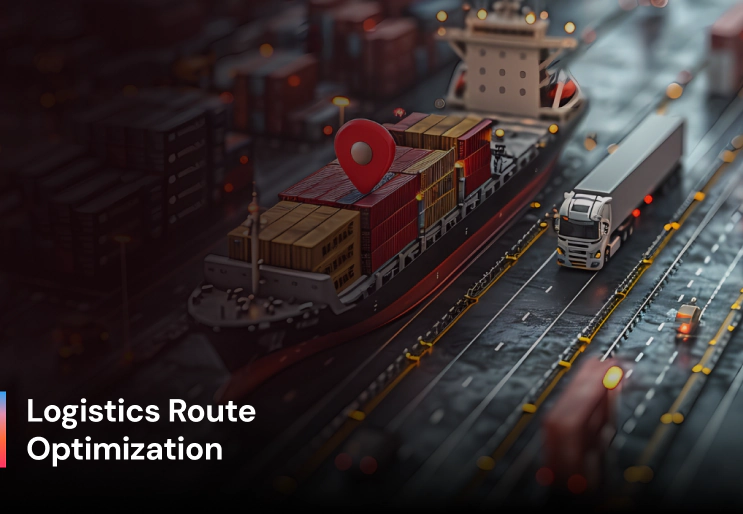
In today’s competitive landscape, logistics is no longer just a back-office function it’s a strategic differentiator. For companies in retail, e-commerce, FMCG, and manufacturing, logistics costs can account for 10–20% of total revenue, making efficiency a critical priority.
One of the biggest contributors to logistics spend is route planning and fleet management. Inefficient routing leads to fuel wastage, higher labor costs, delayed deliveries, and poor customer satisfaction. Traditional route planning methods based on static maps, spreadsheets, or human experience cannot keep up with real-time complexities like traffic patterns, weather conditions, and last-minute order changes.
This is where AI-powered route optimization comes into play. By leveraging artificial intelligence, machine learning, and real-time data, companies can dynamically plan, optimize, and adjust delivery routes to cut costs, save time, and enhance customer experiences.
The Challenge with Traditional Route Planning
- Static planning: Routes are often fixed, failing to adapt to live disruptions.
- Lack of visibility: Logistics managers don’t always have real-time insights into fleet movement or delays.
- High operational costs: Inefficient routing leads to excess fuel consumption and overtime labor costs.
- Poor customer experience: Late deliveries damage trust, especially in industries like e-commerce or perishables.
The result is higher expenses and lower efficiency a direct hit to profitability.
How AI-Powered Route Optimization Works
AI-powered systems combine predictive analytics, real-time monitoring, and autonomous decision-making to generate the most cost-effective and efficient delivery plans.
- Real-Time Data Integration: AI systems ingest live data such as traffic conditions, weather, fuel prices, and vehicle health to continuously update routing decisions.
- Dynamic Route Optimization: Instead of static paths, AI recalculates routes in real time to avoid delays, minimize travel distance, and reduce fuel consumption.
- Intelligent Demand Clustering: Machine learning algorithms group delivery locations based on geography, demand density, and delivery windows to maximize fleet efficiency.
- Multi-Constraint Planning: AI considers multiple variables driver availability, vehicle capacity, delivery time windows, and regulatory restrictions ensuring compliance and efficiency.
- Predictive Maintenance & Fleet Utilization: AI not only optimizes routes but also recommends the best vehicle assignments and predicts maintenance needs to minimize downtime.
Business Impact of AI in Logistics
Companies adopting AI-powered route optimization report tangible benefits:
- Fuel Savings: Up to 15–20% reduction in fuel costs through optimized mileage.
- Lower Labor Costs: Efficient scheduling reduces overtime and idle driver hours.
- Faster Deliveries: Improved ETAs enhance customer satisfaction and loyalty.
- Higher Fleet Utilization: Smarter allocation of vehicles reduces the need for excess fleet size.
- Sustainability Gains: Lower fuel usage means fewer carbon emissions, aligning with ESG goals.
Real-World Example
A global e-commerce company integrated AI-powered route optimization into its logistics network across Asia. Within six months, the company achieved:
- 18% reduction in fuel costs
- 25% improvement in on-time deliveries
- 30% reduction in vehicle idle time
This not only improved operational efficiency but also enhanced customer loyalty in a highly competitive market.
The Future of Logistics with AI
AI-powered logistics is evolving beyond route optimization into autonomous decision-making ecosystems. Future capabilities will include:
- Self-learning algorithms that continuously refine routes based on outcomes.
- Integration with autonomous vehicles and drones, redefining last-mile delivery.
- Collaborative logistics where AI platforms optimize across multiple suppliers and carriers to minimize costs collectively.
Conclusion
Logistics costs no longer need to be a burden on profitability. By adopting AI-powered route optimization, businesses can significantly reduce fuel and labor costs, increase delivery reliability, and achieve sustainability goals all while delighting customers.
At Amantra, we help enterprises implement AI-driven logistics solutions that move beyond static planning to autonomous, real-time optimization. With Amantra’s intelligent systems, companies can transform logistics from a cost center into a competitive advantage.